

Regenerative Oral Surgery
Surgical Procedures – Tissue-Sparing and Well-Tolerated
With regenerative oral surgery, we at IMPLA·VIO in Berlin-Friedenau pursue the goal of performing surgical procedures in the oral cavity in a particularly tissue-sparing and well tolerated manner—taking individual health requirements into account. The focus is on biological materials, regenerative procedures, and a holistic view of healing and long-term success. A key element is avoiding metallic materials. Ceramic implants offer a metal-free alternative that is particularly well tolerated—for example in cases of allergies, chronic inflammatory conditions, or titanium intolerance. We also specifically rely on biologically oriented procedures in other areas.
Biologically Compatible Procedures – Tailored to the Individual
Sequestrectomy is used to remove necrotic tissue or foreign material, for example in cases of chronic inflammation of the jawbone. The aim is to relieve the affected structures, promote natural tissue healing, and provide lasting relief of symptoms. PRF or autologous blood therapy can support wound healing in a natural way. The growth factors obtained from the blood promote the regeneration of soft tissue and bone after implant placement, tooth extraction, or periodontal surgical procedures.
Depending on requirements, treatments are performed under local anesthesia, sedation, or general anesthesia. Together with an experienced anesthesia team, we create the conditions for a comfortable and relaxed treatment.
Is PRF useful?
PRF stands for Platelet-Rich Fibrin, in German: platelet-rich fibrin. A small amount of your own blood is processed without additives. This produces a fibrin-rich material containing platelets, white blood cells, and the body’s own growth factors. Used as a membrane or gel, PRF can support natural wound healing and tissue regeneration—for example after an implant placement, tooth extraction, bone augmentation, or a periodontal surgical procedure. PRF is not a standard component for every procedure; it is used selectively when the individual tissue and healing situation is likely to benefit.
What are metal-free implants?
Metal-free implants are dental implants whose part anchored in the jaw is not made of titanium but, in most cases, of zirconia ceramic. They offer an option for people who prefer a metal-free restoration or who are suspected of having a titanium intolerance. At IMPLA·VIO, however, ceramic implants are not selected solely based on the diagnostic findings: bone, gums, bite forces, and the planned dental restoration all play a role, as do personal preferences.
What speaks against ceramic implants?
Ceramic implants can be a metal-free, well-tolerated alternative to titanium implants—but they are not automatically the best choice for every starting situation. The decision should be made individually, taking into account the implant system, available bone, the gum situation, load, and the planned restoration. At IMPLA·VIO, possible limitations and alternatives are discussed openly. A titanium stimulation test can provide additional indications on request if intolerance is suspected.
How much does PRF treatment cost?
At IMPLA·VIO, PRF treatment is an additional, complementary service. The cost depends on the specific procedure for which the treatment is used—such as after a tooth extraction, implant placement, bone grafting, or periodontal surgery. After the examination, Dr. Esther Kluk and her colleagues will discuss whether PRF is appropriate for your situation and what the additional cost will be. Statutory health insurance generally does not cover this service—private insurance reimbursement depends on the specific policy.
Which is better: ceramic or titanium implants?
Ceramic or titanium: the answer doesn’t come from a materials catalog, but from your individual treatment situation. Ceramic implants can be of interest if you want metal-free treatment or if titanium intolerance is suspected. Titanium implants may be suitable in many other situations. At IMPLA·VIO, bone, gums, load, 3D planning, and personal preferences are considered together. This makes the material choice medically sound and understandable for you.
What is the difference between PRP and PRF?
PRP stands for Platelet-Rich Plasma, i.e., platelet-rich plasma. PRF means Platelet-Rich Fibrin, in German: platelet-rich fibrin. Both procedures are obtained from your own blood. PRP is used as a liquid plasma, while PRF forms a stable fibrin network that can be used as a membrane or gel. At IMPLA·VIO, PRF is used depending on the procedure to support natural wound healing and tissue regeneration.
How long do ceramic implants last?
The longevity of a ceramic implant does not depend solely on the material. Key factors include bone quality, gum integration, the forces exerted on the implant, the fit of the dental prosthesis, oral hygiene, and a structured aftercare plan. At IMPLA·VIO, Dr. Esther Kluk and her colleagues combine their experience with all-ceramic implants and 3D planning. A reliable assessment of the long-term outlook in your case can only be provided after a thorough evaluation and planning.
What are the disadvantages of zirconia implants?
Zirconia implants are made of high-performance ceramic and enable metal-free restoration. Their possible limitations lie in the fact that the material, implant system, and starting situation must match precisely. Available bone, gums, load, and prosthetic planning must be carefully assessed. That is why IMPLA·VIO also considers titanium implants and other solutions. The decision for zirconia should be medically sound and personally understandable.

Ceramic Implants
In the context of biological oral surgery, we rely on high-quality, biocompatible materials for implants that are well-tolerated by the body. For patients who consciously desire metal-free, biologically oriented treatment, we offer high-quality ceramic implants.
Removal of Infected/Dead Bone Tissue
In cases of inflammation in the jawbone or after surgical procedures, necrotic tissue fragments (sequestra) may be rejected. These tissue fragments must be removed to allow the affected region to heal.
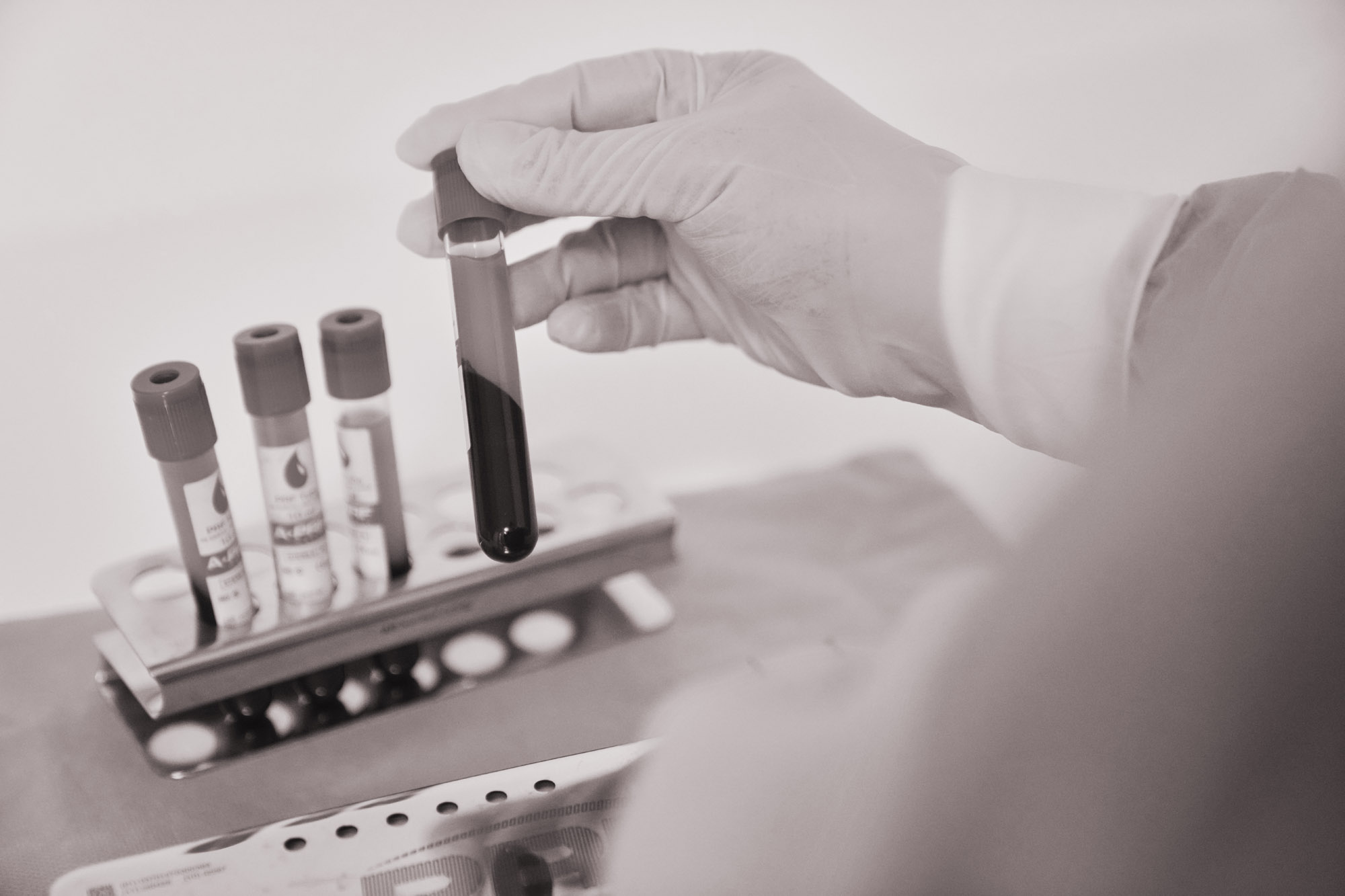
PRF Treatment
Platelet-Rich Fibrin (PRF) is a procedure to support natural wound healing – without additives, based exclusively on the patient’s own blood.